 ×

OV-045DRAFT
×
Prepared for OnPay · Atlanta, Georgia · GTM Systems Engineer, Revenue Operations
I am Anton Hocking, founder of Business Hub OS. Your Revenue Operations posting reads like my weekly work: own the CRM ecosystem, wire the platforms together, run inbound lead workflows end to end, and put AI and agentic workflows to work across qualification, routing, and onboarding. This page is my resume for that role, with the record to back it.

01 · Profile
Anton in the room with your revenue team. Erik on the technical depth behind every system. Two partners, one accountable team, and no account managers in between.
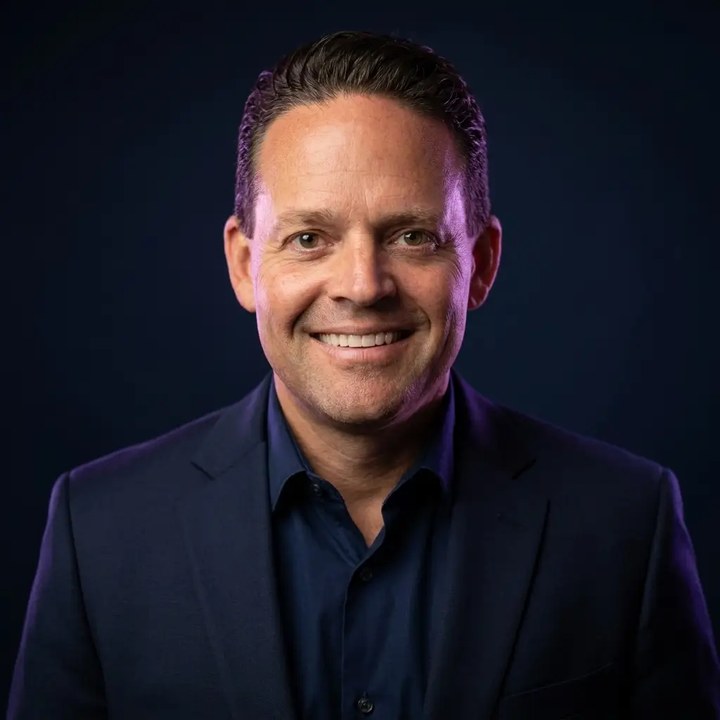
Founder · The one in the room
Anton spent thirty years in hospitality and operating businesses before he ever built a system: bar manager at The Wild Boar, bartender then bar manager at Tamarack Tap Room in Woodbury, and founder of Texas Care Center, a healthcare franchise and management company. That is the side of the table he still sits on when a new system gets handed to a working team. He went on to study AI hands-on for over two years, including local AI models running on private hardware, and founded Business Hub OS to give business owners one accountable place for their AI, their customer systems, and their follow-up. He leads every engagement personally: the audit, the plan, the build, the training. He is based in the Minneapolis-Saint Paul area, and Business Hub OS serves owner-run businesses across the country.
Partner · The depth behind the systems
Erik is Anton's partner in Business Hub OS and the automation mind of the operation: his own AI automations are what pulled Anton into AI in the first place. While Anton is in the room with clients, Erik carries the technical depth underneath the work, making sure what gets promised is what actually runs. Together they plan it, build it, and stay accountable for it after launch.
02 · The match
Your posting asks for a hands-on technical lead for the systems that power the go-to-market org. Here is what it asks, and where each item already lives in Anton's work.
CRM ecosystem ownership is the core of his practice. Anton designs and runs CRM implementations for owner-run businesses: pipelines, custom fields and objects shaped to how the business actually sells, advanced follow-up workflows, and integrations that keep the CRM as the single source of truth instead of one more silo. The discipline underneath is simple and strict: every lead and every record carries an owner, a next action, and a review date.
That chain is the lead system he builds for clients, start to finish. A lead arrives, gets enriched and qualified, gets scored and prioritised, gets routed to the right person, and gets followed up on a dated queue until it closes or is honestly parked. Speed to lead and follow-up discipline are not slogans in his builds: every lead is owned, and every next action is dated, so nothing ages quietly in a pipeline.
His builds are connected systems, not tool collections: CRM, phones, booking, messaging, websites, and team workspaces wired together so data flows once and shows up everywhere it is needed. He evaluates, selects, and integrates the platforms a business already pays for, and holds every integration to the agreed spec.
Already live in his client work: AI voice and chat agents that answer business phones and chats around the clock, qualify callers, book appointments, follow up by text, and log every conversation in the CRM. Agentic workflows handle the research, drafting, and follow-up preparation, with a human approving anything that leaves the building. That is the same pattern your posting describes, already running in production.
Onboarding is a workflow problem, and he treats it that way: structured intake, server-enforced completion before the next step unlocks, and automatic briefs and reports generated from what was collected. His rebuilt client assessment platform works exactly like this: a 35-question scoring engine that issues an executive report to the client and a confidential discovery brief to the advisor, with completion enforced before any report is generated.
Underneath his client builds sits LOGIX, his operating blueprint: a knowledge vault for each business, a permanent registry number for every business and project, a trained crew of AI agents working from the vault, and the daily follow-up queue. His own company runs on the same architecture, so the data model is proven on his own revenue operation before it is ever proposed to a client.
Small business is his entire market. Business Hub OS builds for owner-run businesses that cannot afford a systems department: home services, financial services, medical device distribution, real estate, bookkeeping networks, and consumer brands. He knows the buyer OnPay sells to because that buyer is his client, and he has sat on their side of the demo.
Thirty years of operating before the building started. He has been the person a new system gets handed to on a busy night, which is why his rollouts are planned for adoption: training pages, team workspaces, and honest sequencing of what to build first, what to build later, and what to leave alone.
03 · Career record
An AI consulting company that designs and operates connected systems for owner-run businesses: AI voice and chat agents, CRM and follow-up automation, websites, and team workspaces, all drawing from one knowledge source per business. Two-plus years of hands-on AI study and deployment behind it, including local large language models run on private hardware.
Founder of Texas Care Center, opening mental health care franchises in Texas and running a management company supporting healthcare companies. Ventures and advisory work across e-commerce and trucking. The same lesson every time: every business needs a system, and every system needs somebody accountable for it.
Thirty years in hospitality, most of it behind the bar: bar manager at The Wild Boar for three years, bartender then bar manager at Tamarack Tap Room in Woodbury, Minnesota. Staffing, regulars, cash flow, and what makes people come back, learned from the owner's side of the counter.
04 · What he has built
CRM pipelines where every lead is owned and every next action is dated, worked on a daily queue. AI agents answer, qualify, book, and follow up, and every conversation lands back in the CRM where the team can see it.
See Business Hub OSA financial services firm's paper-style client assessment, rebuilt as a production platform: a 35-question scoring engine that issues an executive report to the client and a confidential discovery brief to the advisor, with completed assessments enforced server-side before any report is generated.
The architecture under his client builds: a knowledge vault for each business, a permanent registry number for every business and project, a trained crew of AI agents working from the vault, and the daily follow-up queue. His own company runs on it, including local AI infrastructure for work that cannot leave the building.

One design system and one operating system that can run a whole portfolio of companies, each with its own agent, its own vault, and its own numbers, never blended.
gensystemsai.com
The operating system for the partner family: every person and project gets a permanent number, a branded door of its own, and a workspace, all visible on one map.
flowstatelogix.com
The design studio brand in the family: modern websites for local businesses, designed, built, and launched fast, then wired into the same follow-up systems as everything else he runs.
webdezigns.ai
Anton's personal company, named for his daughters Chloe, Harper, and Ellie, and the name his own project showcase runs under.
chelimitless.comThe full roster on one page: every platform, client build, and partner system, each with a short record of what the company does and what was built for it.
overview.businesshubos.com/all-the-work05 · Industry proof
OnPay sells payroll and HR software to small businesses. Anton builds the go-to-market systems those same businesses run on. The overlap is the point.
His client work is CRM implementation plus follow-up automation for businesses where the owner is also the sales team. If a lead is not owned and dated, it is lost, and his systems are built so that cannot happen quietly.
Voice and chat agents in production today: answering phones around the clock, booking appointments, following up by text, and logging everything. Agentic workflows doing qualification, research, and outreach preparation under human approval.
To show the thinking, not just claim it, we mapped OnPay's funnel stage by stage and layered the automation and agent work we would put on each stage. It is a demonstration built to show you, clearly labeled as such, never commissioned work.
Open the GTM engine map06 · Two ways to fill this role
Option one: hire Anton as your GTM Systems Engineer, and the role is filled by the person whose record is on this page. Option two: engage Business Hub OS and get Anton and Erik plus the systems themselves, the lead workflows, the agents, and the operating blueprint, for roughly the budget of this one role. The second way does not resign, does not wait on one person's bandwidth, and starts from a blueprint that is already built and already running other businesses. Either way, the work your posting describes is the work on this page.
07 · Watch & listen
The resume, narrated: the operator decades, the lead systems, and the point-by-point match to your posting. Video · 1:52
Maya and Dev talk through the same match: CRM ownership, speed to lead, and agentic workflows in production. Podcast · 3:18
08 · Next step
If OnPay hires the engineer, this page is the case for the team beside them. If the engine matters more than the headcount, the conversation is the same one: what to wire first, what it replaces, and how the revenue team adopts it. Thirty minutes with Anton, founder to leadership, no pitch deck required beyond what you have already read.
Book a conversation See the GTM engine map